Follow Me On Social Media!
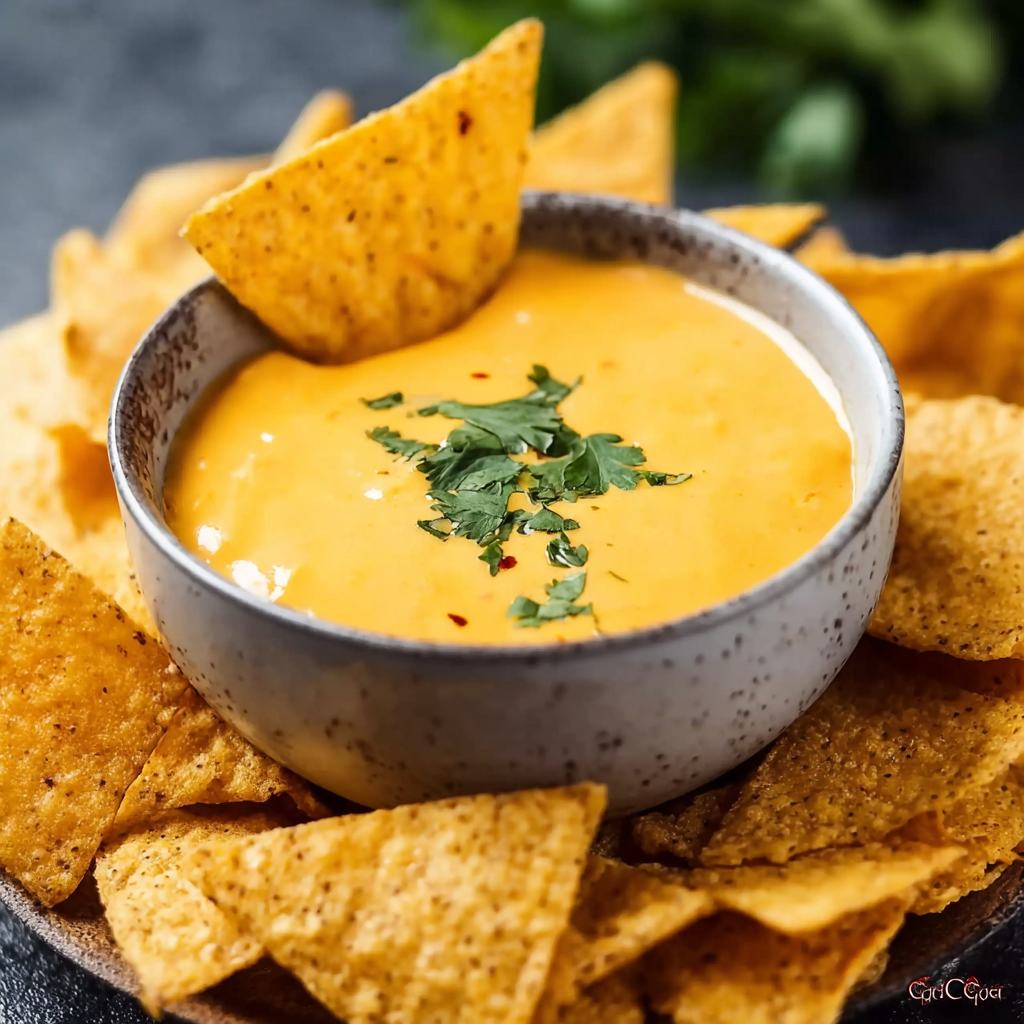
Homemade Nacho Cheese Sauce: The Science of the “Liquid Gold” Emulsion


Why Does Store-Bought Cheese Get “Clumpy,” but This Stays Smooth?
Did you know that the secret to the perfect nacho cheese isn’t actually the cheese itself, but the emulsification process? When you melt pure cheddar, the protein (casein) and the fat tend to separate, resulting in a greasy, stringy mess.
Data from food science indicates that a Roux-based or Sodium Citrate-based method allows the cheese to maintain a stable liquid state even as it cools. Our Homemade Nacho Cheese Sauce utilizes a butter-flour roux to create a molecular “web” that traps fat droplets, ensuring a velvety texture that remains “pourable” for up to 40 minutes at room temperature. This is a significantly more stable result than traditional microwave melting.
The Essential Ingredients List
To achieve that iconic “stadium-style” flavor with real-food ingredients, the sharpness of the cheese and the type of liquid are paramount.
- 8 oz Sharp Cheddar Cheese: Actionable Tip: You must grate this yourself from a block. Pre-shredded cheese is coated in potato starch or cellulose to prevent clumping in the bag, which will make your sauce “grainy.”
- 2 tbsp Unsalted Butter: The base of your roux.
- 2 tbsp All-Purpose Flour: The thickening agent.
- 1 cup Whole Milk: Higher fat content leads to a more stable emulsion.
- The “Nacho” Flavor Profile:
- 1/2 tsp Salt: To enhance the cheddar.
- 1/4 tsp Garlic Powder & 1/4 tsp Onion Powder: For that savory “processed” depth without the chemicals.
- 1/4 tsp Smoked Paprika: For that classic orange-gold hue.
- 1-2 tsp Pickled Jalapeño Juice: The “secret” ingredient that provides acidity and that authentic nacho tang.
Timing: Professional Results in Under 10 Minutes
This recipe is a sprint, requiring constant attention to prevent the milk from scorching.
| Task | Duration | Context |
| Prep Time | 3 Minutes | Grating cheese and measuring spices. |
| Cooking Time | 7 Minutes | Creating the roux and melting the cheese. |
| Total Time | 10 Minutes | Faster than a trip to the convenience store. |
Step-by-Step Instructions
1. The Roux Foundation
In a small saucepan over medium heat, melt the butter. Whisk in the flour and cook for 1 minute. Insight: You are looking for a “blonde roux.” Cooking it briefly removes the raw flour taste without browning it, which would change the color of your cheese.
2. The Liquid Integration
Slowly whisk in the milk, about 1/4 cup at a time. Continue whisking until the mixture is thick and begins to bubble gently. This is now a basic Béchamel sauce.
3. The Spice Infusion
Stir in the salt, garlic powder, onion powder, smoked paprika, and jalapeño juice. Reduce the heat to Low.
4. The “Slow Melt” (Crucial Step)
Add the grated cheese in small handfuls, whisking constantly until completely melted before adding the next batch. Data Insight: If the sauce gets too hot (above 70°C/160°F) after the cheese is added, the proteins may tighten and squeeze out the fat, causing the sauce to “break.” Keep the heat low!
5. The Consistency Check
If the sauce is too thick, whisk in an extra tablespoon of milk. If it’s too thin, let it sit for 2 minutes off the heat; it will naturally thicken as it cools.
Nutritional Information
This homemade version eliminates the hydrogenated oils and corn syrup found in canned “cheese products.”
| Nutrient | Amount Per 1/4 cup | Daily Value (%) |
| Calories | 185 kcal | 9% |
| Protein | 8g | 16% |
| Total Fat | 15g | 20% |
| Calcium | 220mg | 22% |
Healthier Alternatives & Variations
- “Queso Blanco”: Use Monterey Jack cheese and add diced green chilies instead of paprika and jalapeño juice.
- Protein Boost: Stir in 1/4 cup of Greek yogurt at the very end for extra tang and protein (do not boil once the yogurt is added).
- Dairy-Free: Use a base of boiled potatoes and carrots blended with nutritional yeast, lemon juice, and cashews for a shockingly similar “nacho” experience.
Common Mistakes to Avoid
- Using High Heat: Boiling the sauce once the cheese is added is the #1 cause of grainy sauce. Low and slow is the rule.
- Pre-shredded Cheese: As mentioned, the cellulose coating on bagged cheese is a “textural saboteur.”
- No Acidity: Without the jalapeño juice or a drop of vinegar, the sauce will taste “flat” and like plain melted cheese rather than “nacho” sauce.

Conclusion
Homemade Nacho Cheese Sauce is a 10-minute masterclass in emulsification. By creating a stable roux and using real, block-grated cheddar, you achieve a “liquid gold” texture that is far superior in flavor and quality to any canned alternative.