Follow Me On Social Media!
Viral Baked Feta Pasta: The “Emulsion-Action” Phenomenon

The Science of the “No-Stir” Sauce
What made this dish (the Uunifetapasta) go global wasn’t just its simplicity, but the thermal emulsion of the ingredients. In a traditional pasta sauce, you sauté aromatics and simmer liquids. Here, we use a convection-roast method.
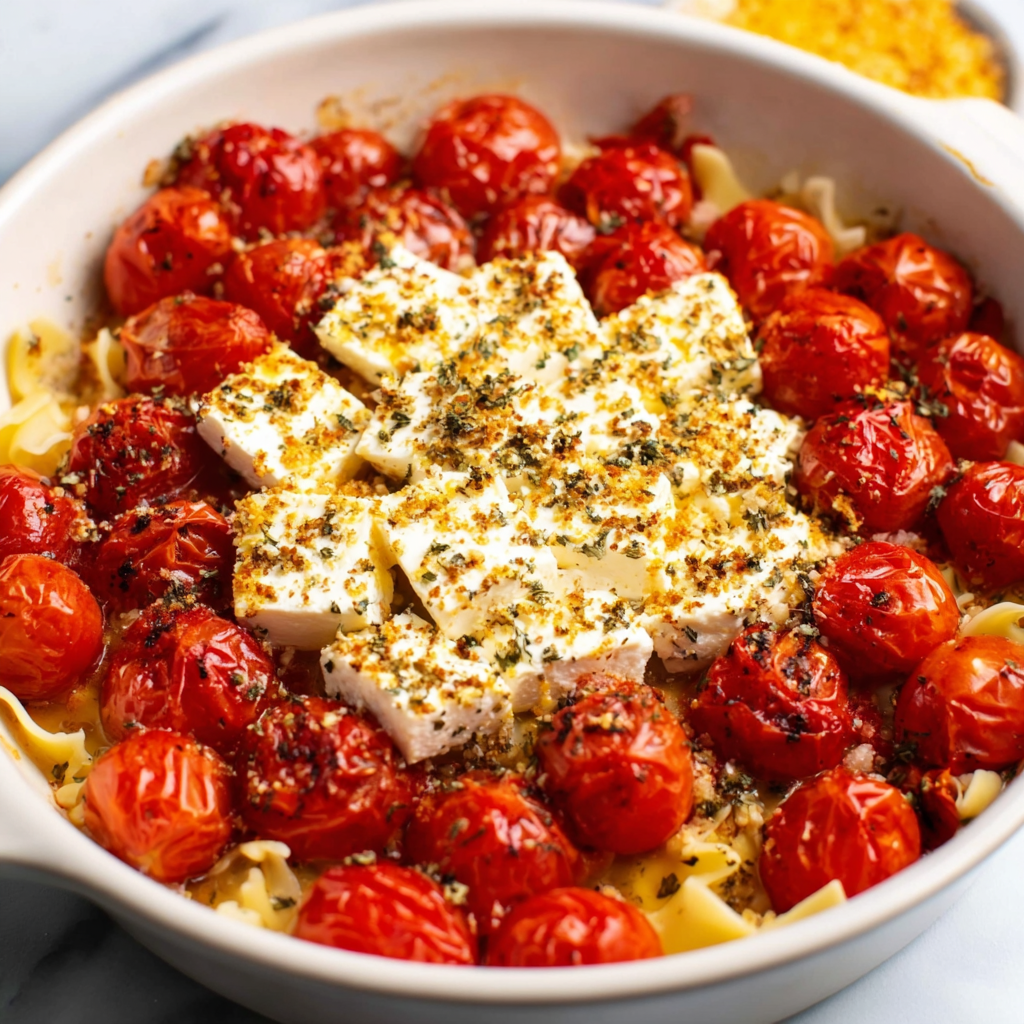
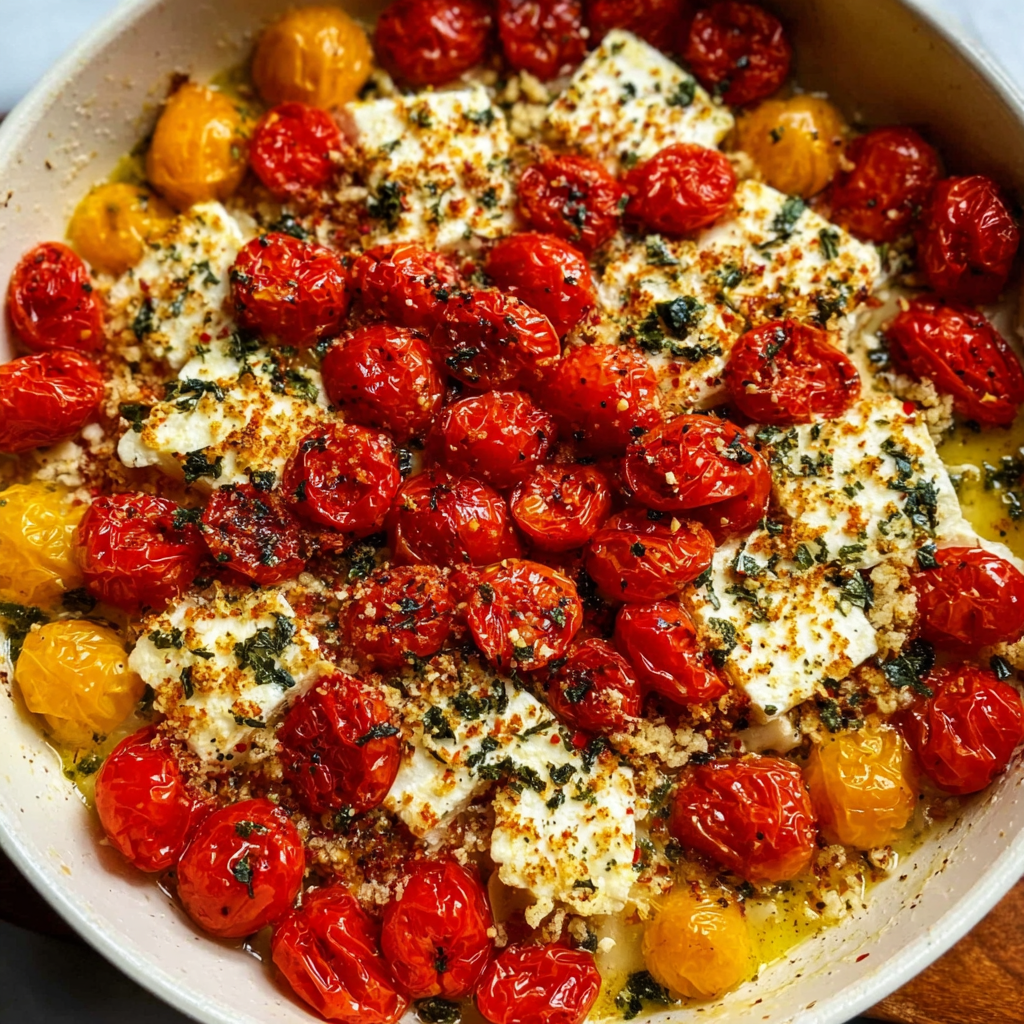
As the cherry tomatoes reach 200°C, their skins “pop,” releasing pectin and high-fructose juices. Simultaneously, the block of feta undergoes protein denaturation, softening into a spreadable custard. When you finally stir the two together, the oil from the feta and the acidity of the tomato juice undergo a spontaneous emulsification—creating a creamy, pink sauce that clings to pasta without the need for heavy cream or flour.
The Essential Ingredients List
Quality matters here because there are so few ingredients to hide behind.
- 1 block (7–8 oz) Greek Feta Cheese: Crucial: Use a block in brine, preferably sheep’s milk. “Crumbled” feta is coated in cellulose and will not melt into a creamy sauce.
- 2 pints (approx. 20 oz) Cherry or Grape Tomatoes: Their high sugar content is vital for the sauce’s sweetness.
- 1/2 cup Extra Virgin Olive Oil: This is the primary fat source for the emulsion.
- 8 oz Dried Pasta: (Cavatappi, Penne, or Rigatoni—shapes with “ridges” to catch the sauce).
- The Aromatics:
- 3 cloves Garlic: Sliced thinly or kept whole to roast.
- 1 tsp Dried Oregano & 1/2 tsp Red Pepper Flakes.
- 1 cup Fresh Basil: Torn and added at the very end.
Timing: The “Burst & Boil” Sync
| Task | Duration | Context |
| Roasting | 30–35 Minutes | At 200°C (400°F) until tomatoes burst. |
| Pasta Boiling | 10 Minutes | Done during the last 10 mins of roasting. |
| The “Mash” | 2 Minutes | Emulsifying the feta and tomatoes. |
| Total Time | ~45 Minutes | One-pan sauce preparation. |
Step-by-Step Instructions
1. The Nesting Phase
In a 9×13-inch baking dish, toss the cherry tomatoes with the olive oil, sliced garlic, and red pepper flakes. Place the whole block of feta in the center of the dish and flip it once to coat it in oil. Actionable Tip: Don’t be shy with the oil; it is the base of the sauce!
2. The High-Heat Roast
Bake at 200°C (400°F) for 30 minutes. Then, turn the heat up to 225°C (450°F) for the final 5–10 minutes. Insight: You want the tomatoes to be shriveled and the top of the feta to be slightly charred/browned.
3. The Al Dente Sync
While the feta roasts, boil your pasta in salted water. Critical Step: Reserve 1/2 cup of the starchy pasta water before draining. This is your “insurance policy” for a silky sauce.
4. The Smash & Stir
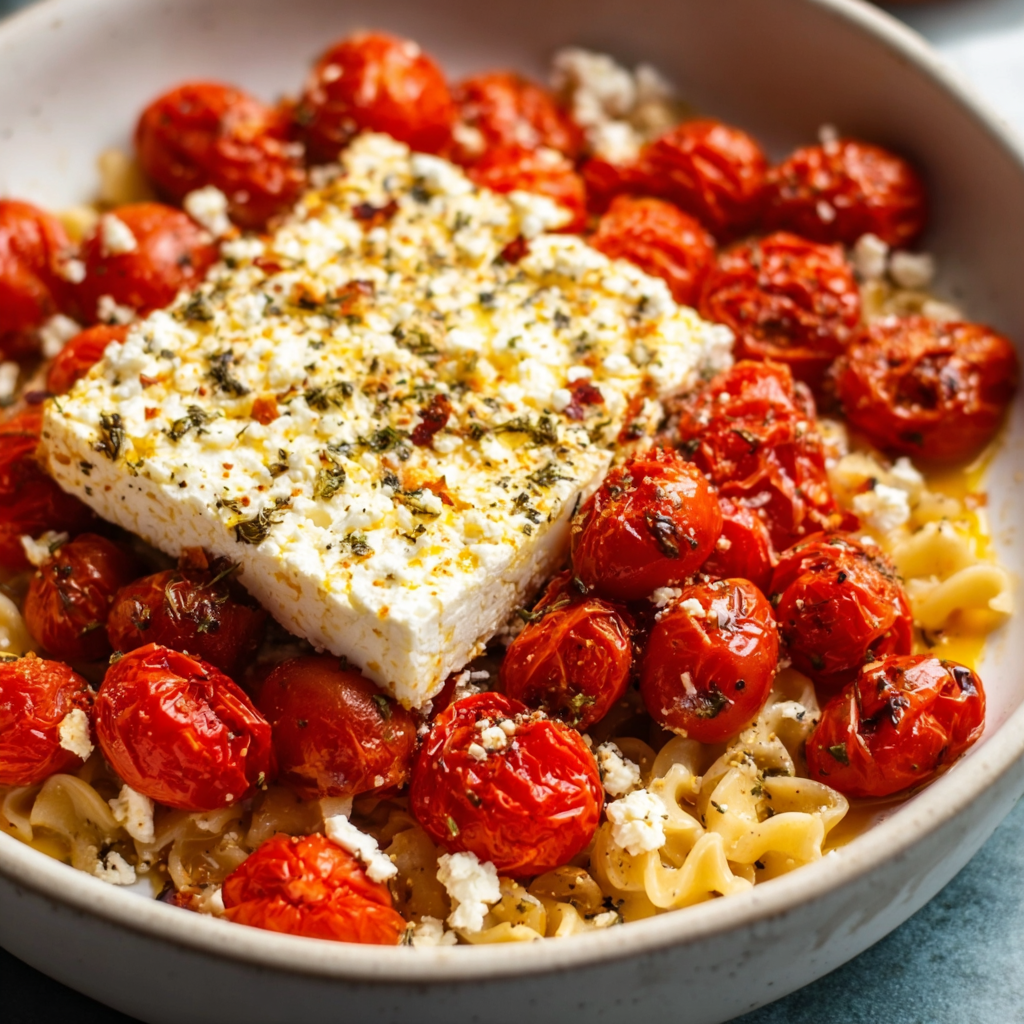
Immediately after taking the dish out of the oven, use a fork or spoon to smash the feta and the tomatoes. Stir vigorously until they combine into a uniform, creamy sauce.
5. The Marriage
Add the cooked pasta and the fresh basil to the dish. Toss thoroughly. Pro Tip: If the sauce feels too thick or “tight,” add a splash of the reserved pasta water. The starch in the water will help bind the oil and cheese even further.
Nutritional Information (Per Serving)
| Nutrient | Amount | Daily Value (%) |
| Calories | 580 kcal | 29% |
| Total Fat | 36g | 46% |
| Carbohydrates | 46g | 15% |
| Protein | 16g | 32% |
Common Mistakes to Avoid
- Using Fat-Free Feta: This dish relies on the fat in the cheese to create the emulsion. Low-fat or fat-free versions will simply stay in a chalky block and never melt.
- Using Large Tomatoes: Large tomatoes have too much water and not enough pectin/sugar compared to cherry tomatoes. Your sauce will be “soupy” rather than “creamy.”
- Crowding the Pan: If the tomatoes are piled on top of each other, they will steam. Spread them out so they can roast and caramelize.
Conclusion
The Viral Baked Feta Pasta is more than just a trend; it’s a perfect example of how heat can transform simple ingredients into a complex, restaurant-quality meal with almost zero active labor.