Follow Me On Social Media!
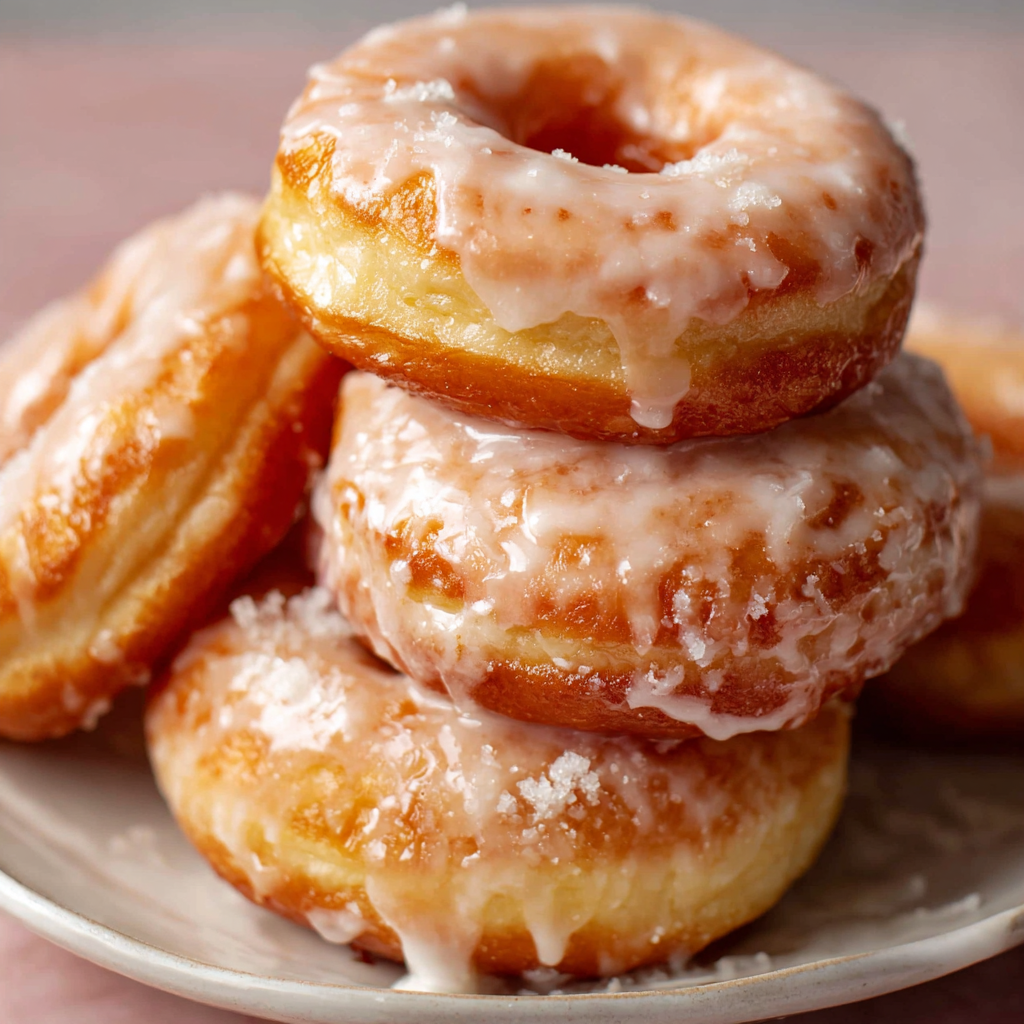
THE BEST Homemade Glazed Donuts: The “Cloud & Glass” Technique

The Science of the “Lift”
The perfect yeast donut relies on double-fermentation. Unlike bread, which needs a strong gluten structure for chew, a donut needs just enough gluten to hold air but not so much that it becomes tough.
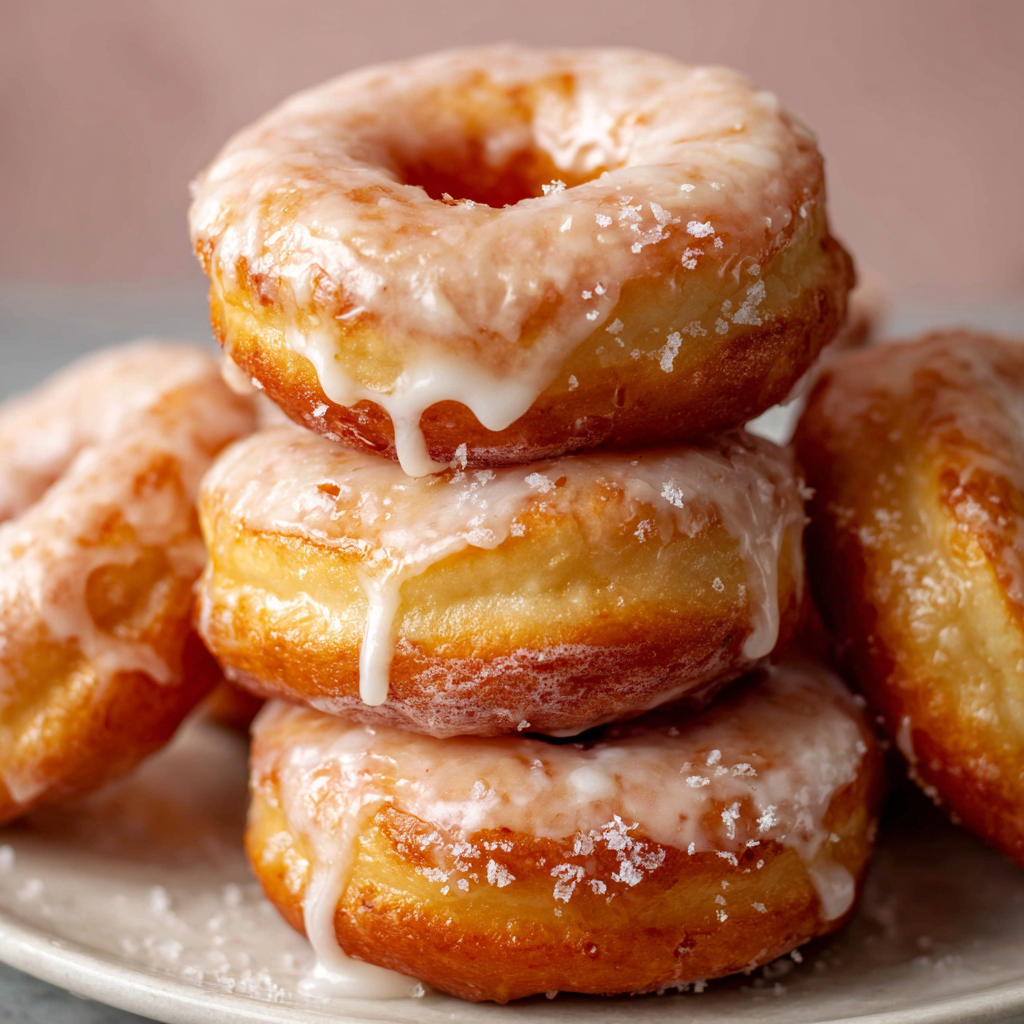
By using a rich dough (high in fat from butter and eggs), we interfere with gluten strands to ensure a “short bite” (one that breaks easily). The Second Proof is the most critical stage: as the yeast ferments after shaping, it creates delicate carbon dioxide pockets. When these hit the hot oil, the gas expands rapidly (Oven Spring, but in a fryer), creating that iconic white ring around the center, signaling a donut light enough to float.
The Essential Ingredients List
Makes approximately 12–15 donuts.
- The Brioche-Style Dough:
- 1 cup Whole Milk: Warm (approx. 40°C).
- 2.25 tsp (1 packet) Active Dry Yeast.
- 1/3 cup Granulated Sugar.
- 2 Large Eggs: Room temperature.
- 6 tbsp Unsalted Butter: Melted and cooled.
- 4 cups All-Purpose Flour: (Bread flour makes them too chewy).
- 1 tsp Salt & 1/4 tsp Nutmeg: The “bakery secret” spice.
- The “Glass” Glaze:
- 3 cups Powdered Sugar: Sifted.
- 1/2 cup Milk.
- 1 tsp Vanilla Extract.
- 1 tbsp Light Corn Syrup or Honey: Provides the professional “shine” and prevents cracking.
Timing: The “Patience” Window
| Task | Duration | Context |
| First Rise | 1.5 Hours | Bulk fermentation until doubled. |
| Shaping | 15 Minutes | Cutting the rings. |
| Second Proof | 45 Minutes | Non-negotiable for fluffiness. |
| Frying | 1 Minute/Side | Maintain oil at 175°C (350°F). |
| Total Time | ~3 Hours | Best eaten within 4 hours. |
Step-by-Step Instructions
1. The Bloom & Mix
Whisk warm milk, yeast, and a pinch of sugar. Let sit for 5 minutes until foamy. Add the rest of the sugar, butter, eggs, salt, nutmeg, and half the flour. Use a dough hook to mix, gradually adding the remaining flour until a soft, slightly tacky (but not sticky) dough forms.
2. The First Rise
Knead for 5 minutes, then place in a greased bowl. Cover and let rise in a warm, draft-free spot until doubled (about 90 minutes).
3. Shape & The “Critical” Second Proof
Roll dough to 1/2-inch thickness. Cut with a donut cutter. Place on individual squares of parchment paper. Cover with a light cloth and let rise again for 45 minutes. Actionable Tip: The donuts should look “puffy” and feel like air. If you poke one gently, the indent should remain; if it springs back instantly, it needs more time.
4. The Golden Fry
Heat 2 inches of neutral oil (canola or peanut) to 175°C (350°F). Carefully lower 2–3 donuts into the oil (use the parchment paper squares to drop them in without touching the dough, then pull the paper out with tongs). Fry for 60–90 seconds per side.
5. The Double Dip
Whisk glaze ingredients until smooth. While donuts are still warm (but not hot), submerge them completely in the glaze. Place on a wire rack. The warmth of the donut thins the glaze, allowing it to set into a thin, shatteringly crisp “glass” coating as it cools.
Nutritional Information (Per Donut)
| Nutrient | Amount | Daily Value (%) |
| Calories | 340 kcal | 17% |
| Total Fat | 16g | 21% |
| Carbohydrates | 44g | 15% |
| Protein | 5g | 10% |
Common Mistakes to Avoid
- Guessing the Oil Temp: If the oil is too cold (<160°C), the dough acts like a sponge and absorbs grease. If it’s too hot (>185°C), the outside burns while the inside stays raw. Use a thermometer.
- Skipping the Second Proof: This is why “home” donuts are often dense. That second rise is what creates the “white ring” and the airy interior.
- Glazing Cold Donuts: If the donut is cold, the glaze will be too thick and “chalky.” If it’s too hot, the glaze will melt off entirely. Wait about 3 minutes after frying.
Conclusion
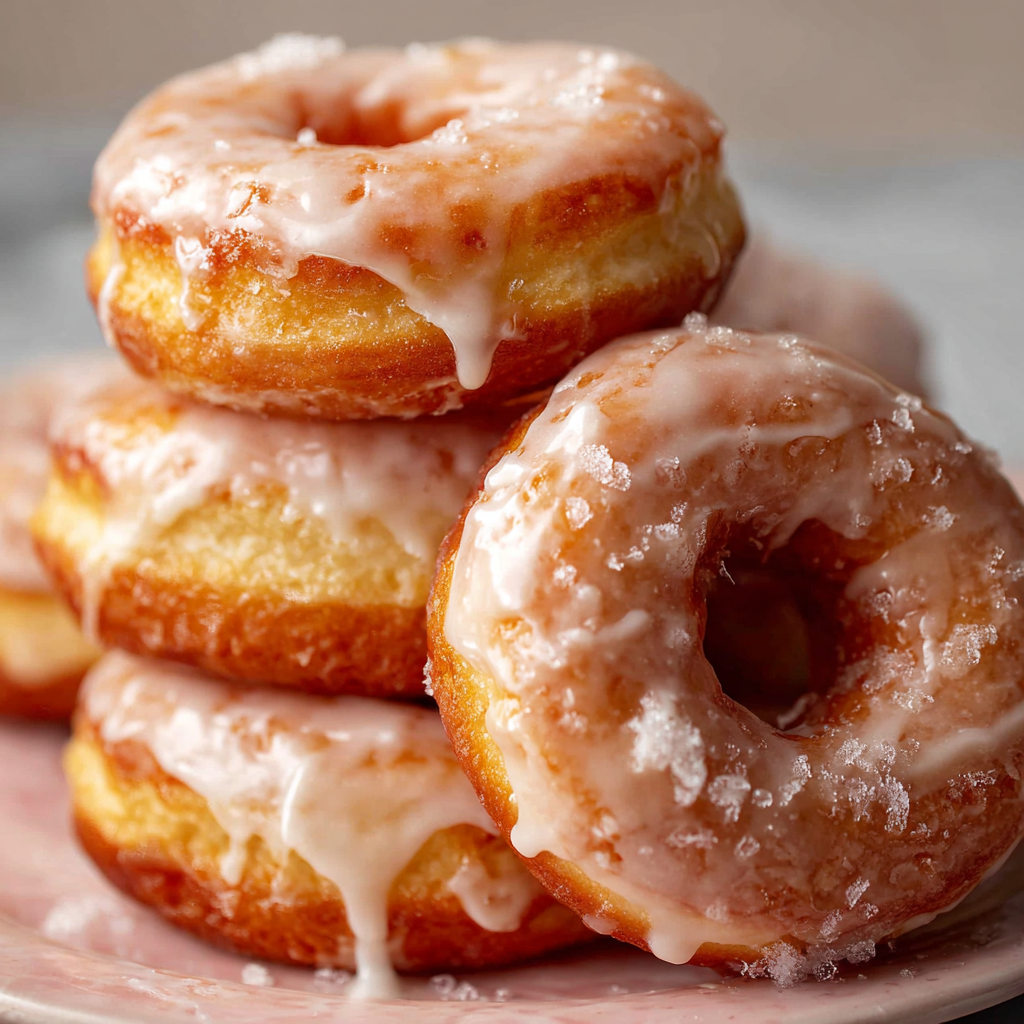
The BEST Homemade Glazed Donuts are a labor of love that rivals any famous green-box brand. They are pillowy, airy, and covered in a glaze that actually “snaps” when you bite into it.