Category Home

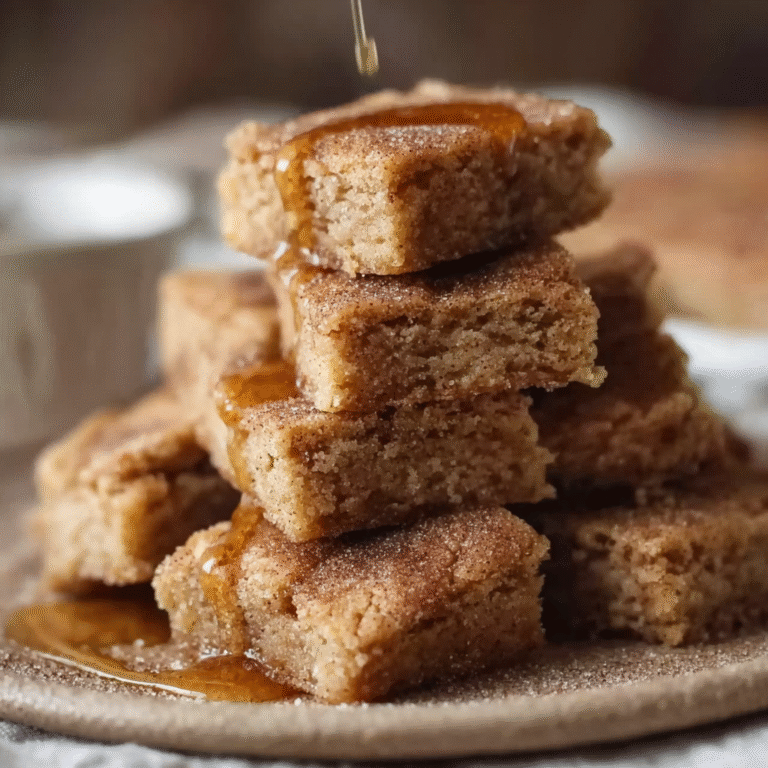
Honey Cinnamon Blondies: The “Liquid Gold” Butterscotch

The Science of the “Honey Humectant” Blondies are often called “blonde brownies,” but their chemistry is closer to butterscotch. While brownies rely on cocoa solids for structure, blondies rely on the Maillard reaction between butter and brown sugar. By introducing…
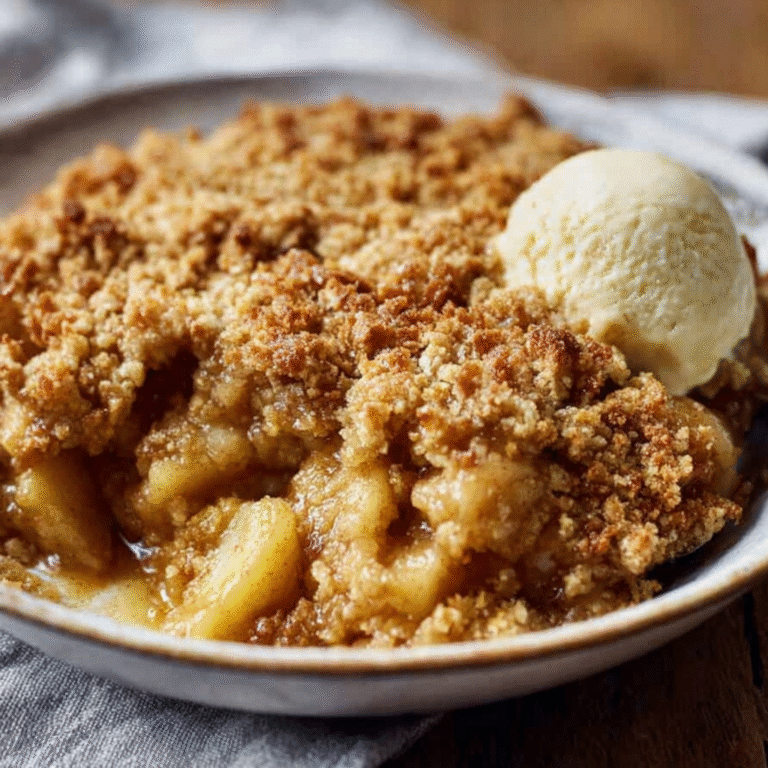
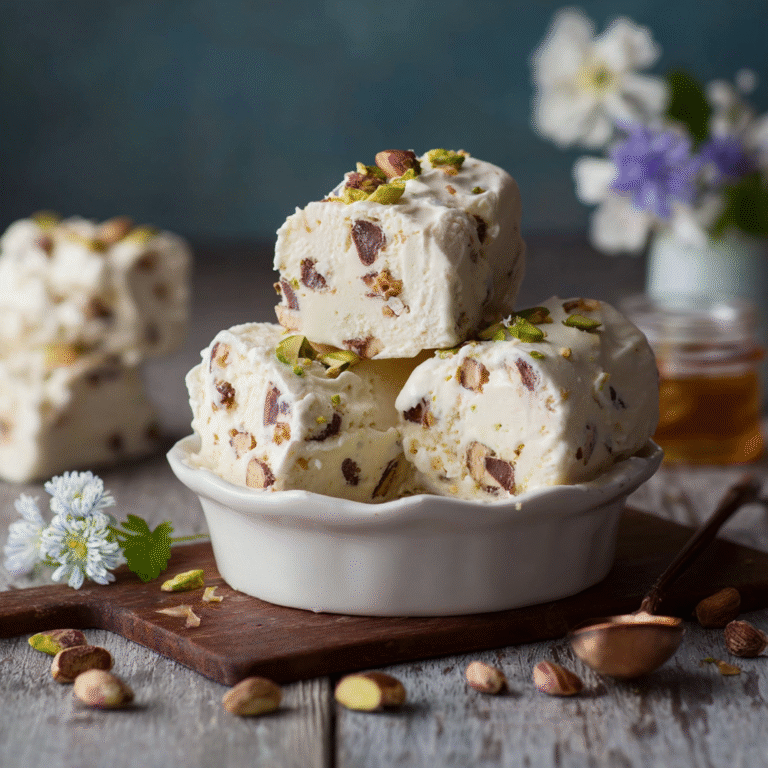
Homemade Nougat Ice Cream: The “Frozen Meringue” Technique

The Science of “Anti-Freeze” Sweetness Unlike standard vanilla ice cream, Nougat Glacé (Frozen Nougat) often skips the traditional egg-yolk custard base. Instead, it utilizes a French Meringue or Pâte à Bombe structure. The secret to its texture is Honey. Honey…

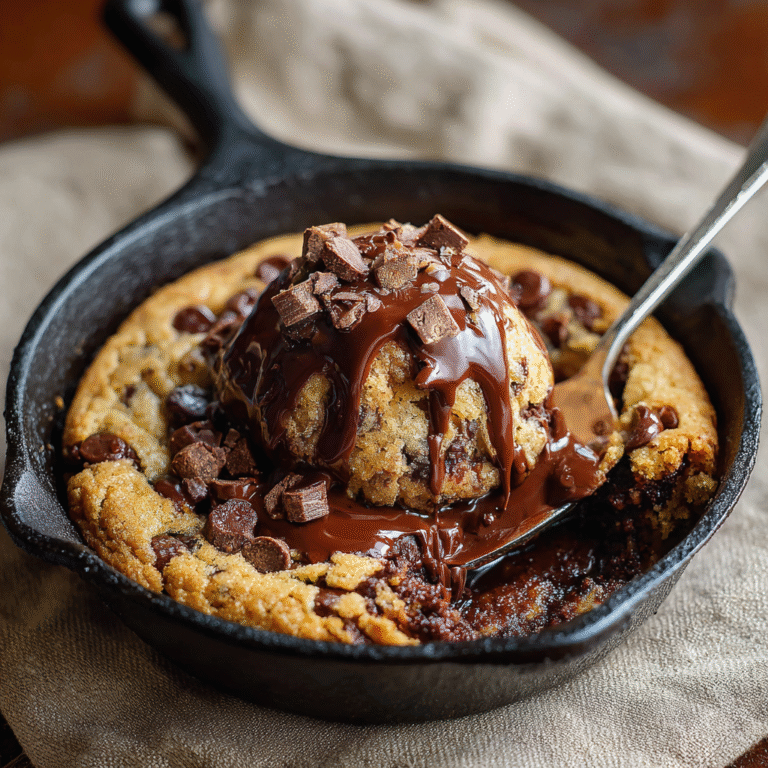
Single Serve Skillet Chocolate Chip Nutella Cookie

The Science of the “Gooey Core” The physics of a skillet cookie (or “Pizookie”) differs from a standard tray cookie due to thermal mass. The cast iron skillet retains heat longer than a baking sheet, allowing the edges to undergo…

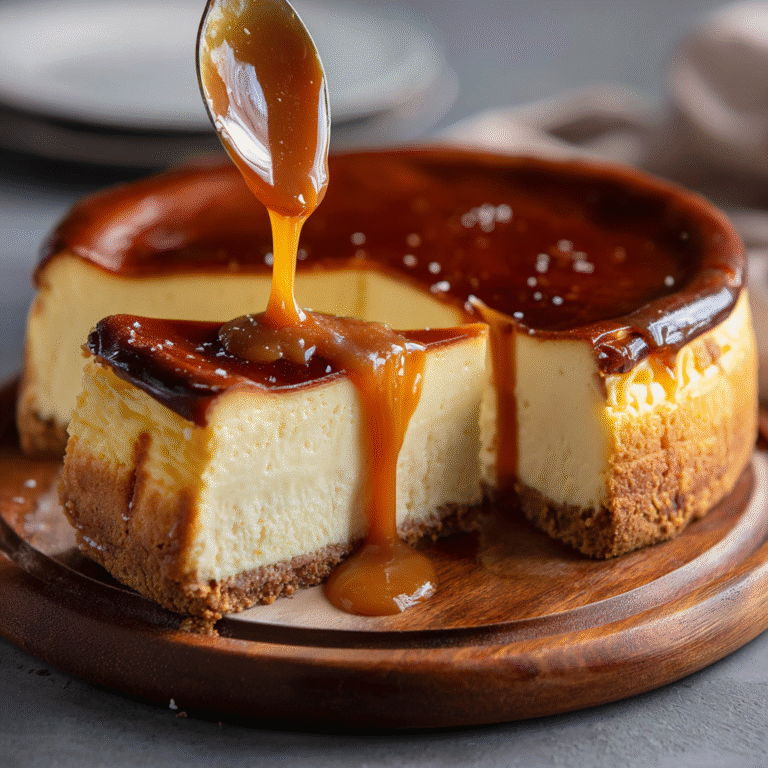
Ultra-Creamy Basque Cheesecake: The “Controlled Burn”

The Science of the “Burnt” Exterior Unlike its New York cousin, the Basque Cheesecake (or Tarta de Queso) thrives on high-temperature caramelization. By baking at 200°C–210°C, we bypass the need for a water bath. This creates a Maillard reaction on…

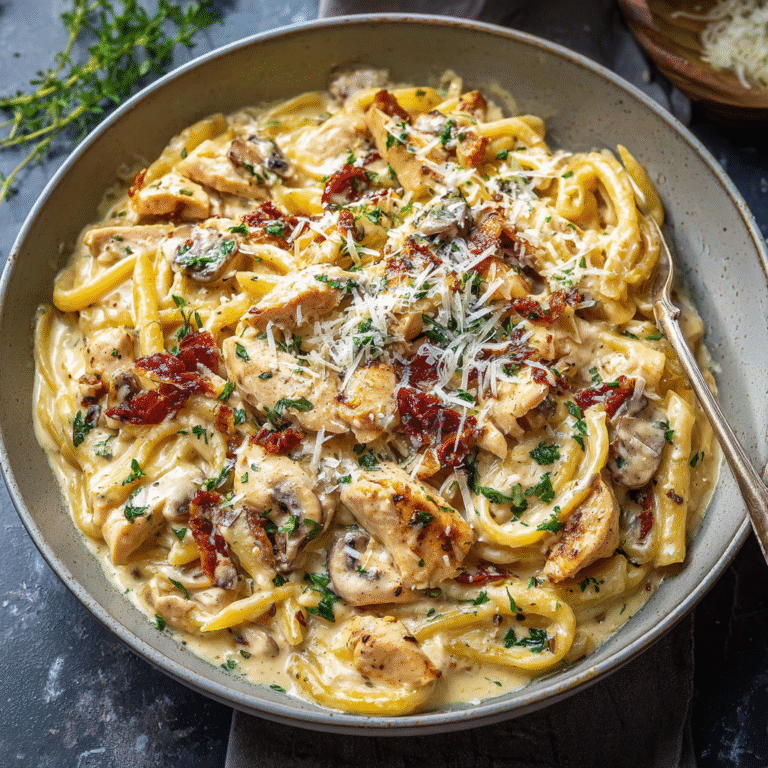
Marry Me Chicken Pasta: The “Umami-Cream” Marriage

The Science of the “Marry Me” Allure The viral “Marry Me Chicken” earns its name through a specific chemical synergy: the pairing of sun-dried tomatoes and Parmesan cheese. Both ingredients are exceptionally high in free glutamates (natural umami). When these…